
Combatting Social Isolation and Elder Abuse
Feelings of loneliness and isolation are common among many older adults, and these feelings can significantly impact their overall well-being. Social isolation is not just a concern for physical and mental health; it also increases the risk of elder abuse. Older adults who are socially isolated are more vulnerable to mistreatment.
What is Elder Abuse?
Elder abuse is the mistreatment of an older adult by someone they should be able to depend upon and trust. This abuse can take many forms, including financial, psychological, physical, sexual, or neglect. It often involves an imbalance of power where the older adult's rights are disregarded, leading to feelings of intimidation, humiliation, or coercion.
Typically, elder abuse is perpetrated by someone in a position of trust, such as a family member, close friend, or caregiver. This betrayal can cause deep emotional harm, especially when the older adult relies on the abuser for care or daily needs.

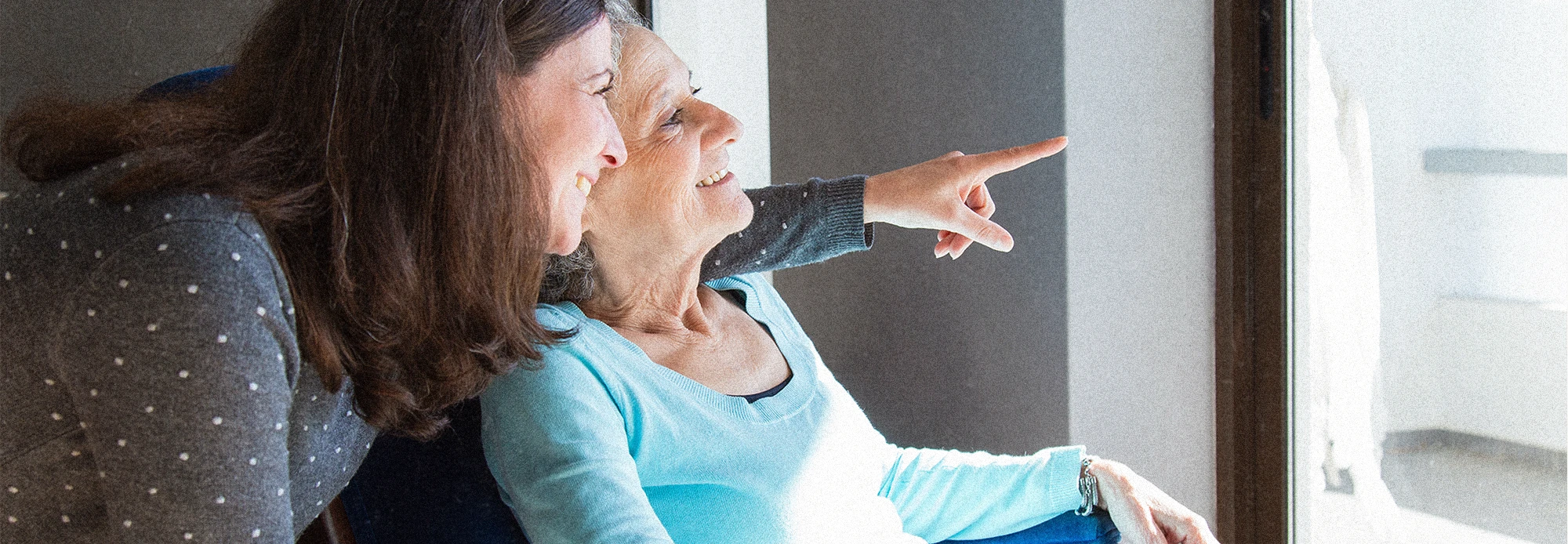
Photo by Askar Abayev
Elder Rights are Human Rights
Older adults deserve to:
- Be treated with respect and dignity.
- Experience human rights and protections regardless of age, gender, racial or ethnic background, disability, or socio-economic status.
- Make their own decisions and retain autonomy.
- Have access to health care, social, and legal services.
As a community, we must band together to ensure all older adults are treated with dignity. By promoting the human rights to which older adults are entitled, we can establish that elder abuse is never acceptable.
Elder Abuse Prevention
Preventing elder abuse is a collective responsibility. It can happen to anyone, and it is up to the community to help prevent it. By fostering an inclusive and welcoming environment, we can ensure all older adults feel safe and supported.
What Can YOU Do to Help?
- Stay Connected: Regularly check in with older adults in your life, even if visits must be virtual.
- Educate Yourself: Learn about the signs and risk factors associated with elder abuse.
- Inform and Support: Educate older adults about their rights and create an environment where they can make informed decisions.
- Initiate Conversations: Don’t hesitate to ask, “Are you okay?” and wait for honest answers. Initiate tough conversations.
- Report Suspicious Activity: If you notice warning signs or suspect abuse, report it.
Preventing elder abuse requires a community effort. By staying connected and promoting the rights of older adults, you can make a significant difference in their lives. Together, we can ensure that every older adult lives with the dignity and respect they deserve.