How does Dementia affect Personal Space?
Have you ever been in line at the checkout and the guy behind you is getting too close….awkwardly close? How do you react? What is your body language like? What is your facial expression?
I’ll bet your expression is a cross between curiosity and suspicion. Your eyes are watching carefully; you’re on high alert. Your body language is likely standoffish and you’re tense; you’re ready to react or even defend yourself if necessary.
Is that normal? Perhaps it’s a bit stronger than necessary for a checkout lineup, but your natural instinct is to protect yourself. You interpreted the intrusion of your personal space as a possible threat, and you’re on high alert until the threat subsides.
This human instinct to protect yourself and your personal space is a normal human reaction, and it doesn’t disappear just because someone has dementia.
In fact, this instinct to protect oneself may become even stronger in the face of dementia.
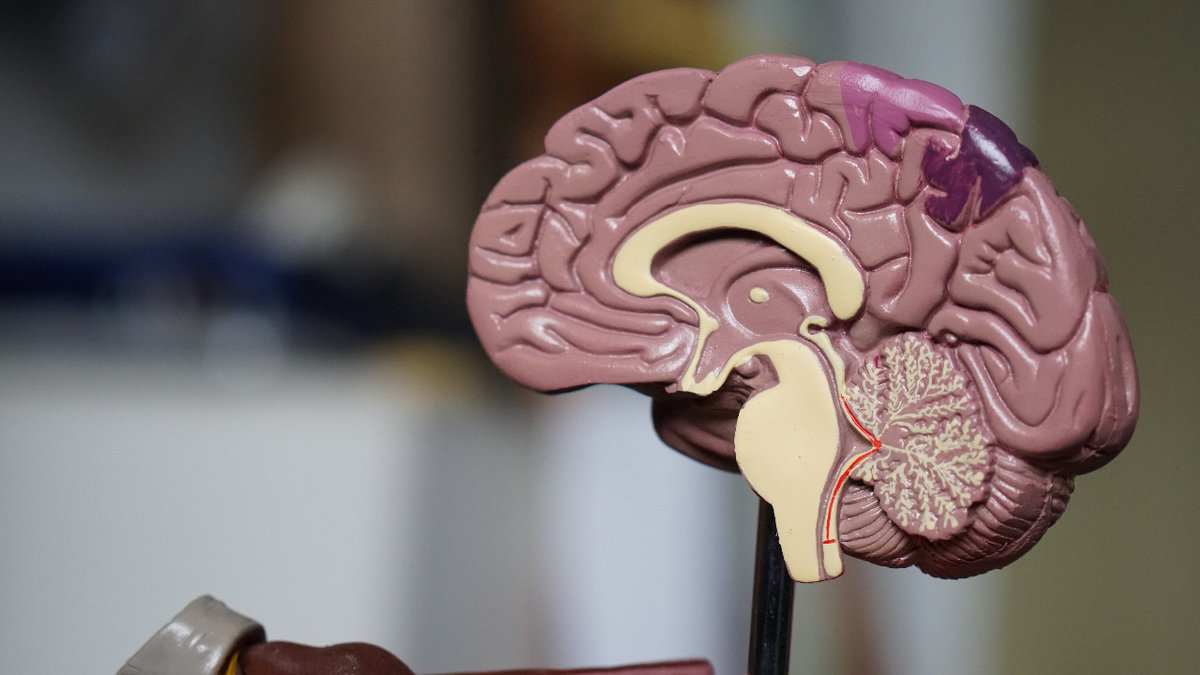
This self-protection instinct comes from the amygdala, a small area deep within your brain. The amygdala continues to send out survival instincts even when other portions of the brain are affected by dementia.
The part of the brain that houses reason and logic—the prefrontal cortex—is often first affected by dementia. It is this part of the brain that allows you to think through a situation and respond appropriately.
When the guy at the grocery store gets too close, your amygdala sends out a threat alert, but your prefrontal cortex uses logic to assess and notices that the store is crowded. You then realize that the guy moved into your personal space because he was bumped from behind. There is no threat after all, and your prefrontal cortex sends a message to the Amygdala that all is safe and secure.
For someone who’s prefrontal cortex is affected by dementia, their ability to assess the situation for danger diminishes. Their amygdala is still sending out the danger warning, but they do not have the ability to use logic or reason to understand the situation and reduce their sense of risk.
Think back to your initial reaction to the guy in the checkout line—your facial reaction and body language were not friendly or welcoming, were they? That’s because you were feeling at risk for just a second. Now think about someone with dementia who may have a concerned or suspicious expression on their face or their body language is reactive. Perhaps they are feeling threatened and they are on high alert.
That person with dementia may not be able to use logic or reason to reassure themselves that there is no threat. If someone is in their personal space, and they feel threatened, they will react exactly like you did—defensively. They will not be able to contextualize and say “oh, that person is wearing scrubs. It must be a doctor or a nurse who is in my personal space to treat me medically.”
They may not recognize a family member, friend, care provider, or fellow resident. If they don’t recognize the person who is entering their personal space, then that person may feel as strange as the guy in the checkout line. If so, the reaction—even to a family member or friend—will be the same defensive reaction as a stranger intruding on space.
What can you do?
When you’re interacting with someone who has dementia, be on the lookout for defensive body language. If you notice a defensive stance or a suspicious facial expression, recognize that the person with dementia may be feeling threatened or at risk and help them to feel reassured.
Be kind, and help them to contextualize.
Fill in the missing details that their brain may not be able to supply. Help them to recognize relationships or connections and do not enter their personal space until you are sure they welcome you.
A beloved family member with dementia may not recognize your face, but they will recognize how you make them feel. Focus on helping them to feel safe and reassured, and the defensive behaviour will melt away.