.png)
Navigating Family Gatherings with a Loved One Who Has DementiaWednesday, October 1, 2025
|
||
How to Prepare Guests, Set Expectations, and Create a Calm Thanksgiving Environment
Thanksgiving is a time for family, gratitude, and tradition. But for families caring for a loved one with dementia, the holiday season can bring unique challenges. The noise, the crowd, and the break from routine can be overwhelming—not just for the person with dementia, but for caregivers and guests as well.
With thoughtful planning and compassionate communication, Thanksgiving can still be a joyful and meaningful experience. This guide offers practical strategies to help families navigate gatherings with grace, ensuring that everyone—especially your loved one with dementia—feels safe, included, and respected.
Understanding Dementia in Social SettingsDementia affects memory, communication, and behavior. In social settings, these symptoms can become more pronounced due to:
Recognizing these triggers is the first step in creating a supportive environment.
Photo by cottonbro studio: https://www.pexels.com/photo/selective-focus-photography-of-man-preparing-food-beside-smiling-women-and-kids-3171151/
Preparing Guests to Interact CompassionatelyMany guests may not know how to interact with someone who has dementia. They may feel awkward, unsure, or even unintentionally say something hurtful. Preparing them ahead of time can make a world of difference.
1. Send a Gentle Pre-Holiday MessageConsider sending a short email or group message before the gathering. You might include:
Example Message: “Hi everyone! As you know, Grandma has been living with dementia. She may not remember names or recent events, and she might repeat herself. Please don’t feel the need to correct her—just go with the flow and enjoy the moment. She lights up when people smile and talk about old memories. Thanks for helping us make this a peaceful and loving Thanksgiving!”
2. Offer Conversation StartersGuests may struggle to find topics that resonate. Provide a few ideas:
3. Encourage One-on-One InteractionsLarge group conversations can be overwhelming. Encourage guests to spend quiet, individual time with your loved one. A short walk, a shared snack, or sitting together in a quiet room can be deeply meaningful.
Setting Expectations for the GatheringClear expectations help everyone feel more relaxed and prepared. Here’s how to set the tone:
1. Keep the Schedule FlexibleWhile routines are important for someone with dementia, holidays often require adjustments. Try to:
2. Limit the Guest ListA smaller gathering may be more manageable. If a large group is unavoidable, consider:
3. Designate a Calm SpaceSet up a quiet room where your loved one can retreat if things get overwhelming. Include:
Photo by Wendy Wei: https://www.pexels.com/photo/assorted-cooked-foods-3071816/
Creating a Dementia-Friendly Thanksgiving EnvironmentThe physical environment plays a big role in how your loved one experiences the day. Here are some ways to make it more dementia-friendly:
1. Simplify the Setting
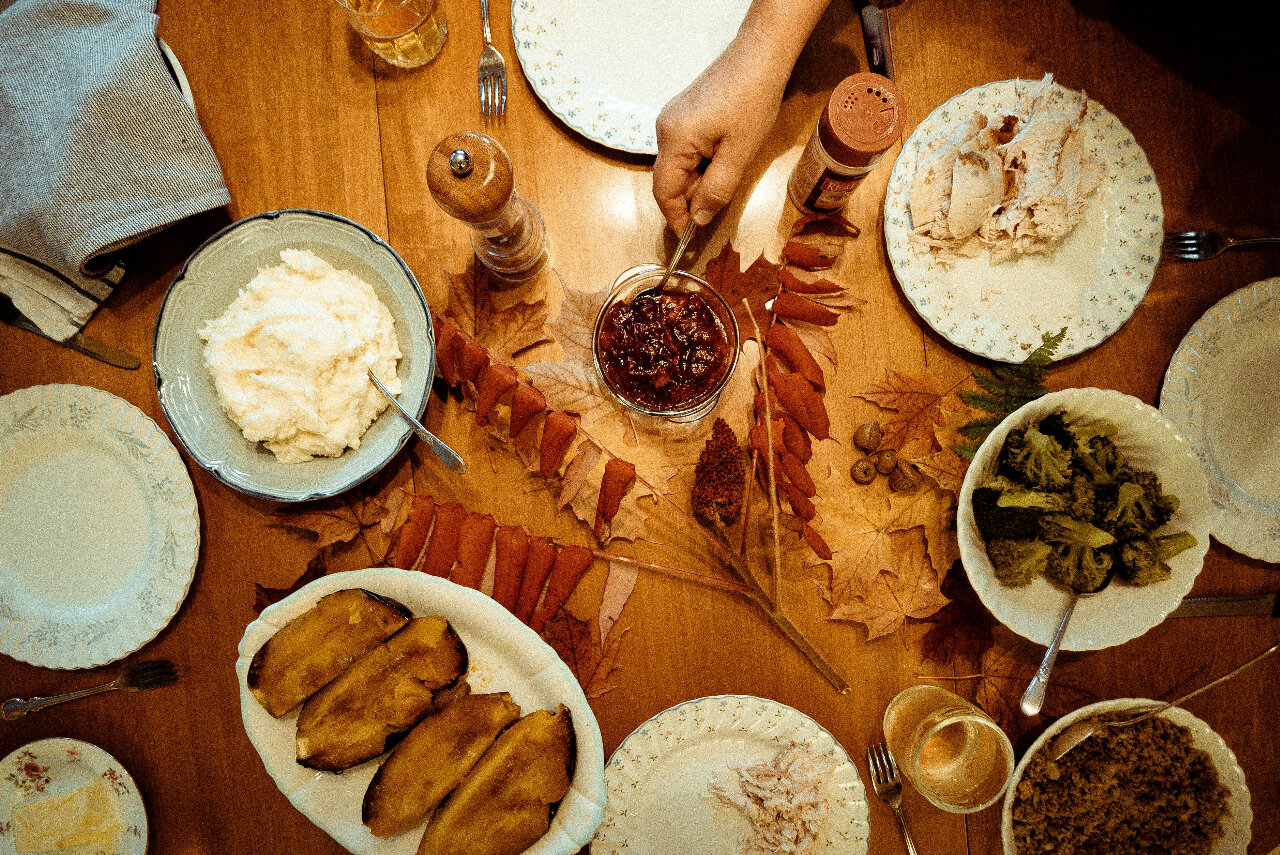
2. Be Mindful of Food Choices
If your loved one has dietary restrictions or swallowing difficulties, prepare alternatives in advance.
3. Use Music ThoughtfullyMusic can be soothing or overstimulating. Choose:
Communication Tips for GuestsHow we speak to someone with dementia can shape their experience. Here are some helpful approaches:
✅ Do:
❌ Avoid:
Example: Instead of saying, “No, that’s not your sister, that’s your daughter,” try: “She reminds you of your sister, doesn’t she? You always loved spending time together.”
Supporting FamilyFamily caregivers often carry the emotional and logistical weight of the holiday. Don’t forget to care for yourself, too.
1. Ask for HelpDelegate tasks like cooking, cleaning, or guest coordination. Let others know what you need.
Learn more about our home care services at Warm Embrace Elder Care.
2. Take BreaksStep outside, sit quietly, or take a short walk. Even five minutes can help you reset.
3. Practice GratitudeAmid the stress, take a moment to reflect on what you’re thankful for. Celebrate small victories—like a smile, a shared laugh, or a peaceful moment.
Making Thanksgiving MeaningfulEven if your loved one doesn’t remember the day, they can still feel the warmth, love, and connection. Focus on creating moments of joy, however small.
Ideas for Meaningful Moments:
Final ThoughtsNavigating Thanksgiving with a loved one who has dementia requires compassion, flexibility, and preparation. By educating guests, setting realistic expectations, and creating a calm environment, you can transform the holiday into a celebration of connection and care.
Remember: it’s not about perfection—it’s about presence. Your loved one may not remember the details, but they will feel the love. If you're interested in enlisting help this holiday season, contact us—we’d be happy to support you. |
||
|
||
|
||
|
||
|

|
|
Chloe Hamilton 118 August 11, 2026 |

|
|
Avery Hamilton 15 July 15, 2026 |

|
|
Lissette Mairena Wong 37 December 10, 2025 |