.png)
What's a Quiet Room?Wednesday, November 19, 2025
|
||
|
Are you hosting any holiday gatherings where you have invited elderly relatives who have health conditions? You have probably already thought about accessibility accommodations such as helping them into your home and ensuring they have access to a bathroom. Those elements are very important and should not be overlooked.
Another element that should not be overlooked is how to make the overall environment more manageable for your elderly loved ones, especially when there are health conditions to consider.
To help facilitate these needs and more, you can create a Quiet Zone for your holiday gathering.
Part of the beauty of a Quiet Zone is that it can meet the needs of so many different health conditions. It is one solution that actually meets numerous needs simultaneously. It may even be appealing to younger family members too!
A Quiet Zone is a space dedicated to quieter interaction and less stimulation. Ideally, the Quiet Zone would be a separate room, but if that’s not possible, then a nook or area can be allocated as the Quiet Zone.
The Quiet Zone should be less stimulating than the environment of the main event. If there are Christmas carols blasting on repeat in the dining room, the Quiet Zone does not have any music. If the Christmas tree in the living room has blinking lights and a miniature train set zooming past, the Quiet Room has steady, ambient lighting that isn’t distracting.
While the main event likely includes loud chatter, many people speaking at once, laughing, and loud voices to be heard over the din, the Quiet Zone is where people can have one-on-one conversations that can be more easily heard and understood. For relatives of any age, the chance to step away from the noise and engage in a more in-depth one-on-one conversation might be a welcome relief.
Someone who tires easily in a crowded room of people might appreciate the relief of settling into the Quiet Room. Other guests can then take turns, one at a time, visiting within the Quiet Room. This way, everyone is supported to be part of the family gathering, but they can participate in a way that matches their individual needs. Having a space to retreat may allow people to reserve their physical and mental energy to join the group for dinner.
The Quiet Room makes it possible to have a quick cat-nap if needed. Giving the brain an extra boost of sleep can make the difference between enjoying the rest of the event, and just feeling overwhelmed and overstimulated. Family members who are stroke survivors or who have dementia will particularly appreciate the opportunity to have a power nap.
When the brain has been impacted by stroke or dementia, part of the brain may not be working the way it once did. The remaining parts of the brain are functioning on overdrive to compensate for the losses. Those over-active brain areas tire easily and benefit enormously from rest. A Quiet Room creates the space and permission to invite such guests to rest their brains when they need it most.
This holiday season, consider creating a Quiet Room for large family gatherings. The Quiet Room will be a retreat space to ensure that all your guests find the event manageable and can enjoy it fully. |
||
|
||
|
||
|
||
|
Why Should I Celebrate Seniors' Month?Wednesday, May 28, 2025
|
||
|
June is Seniors Month, a time to recognize and celebrate the invaluable contributions of seniors to our community. From volunteering to mentorship, seniors play a crucial role in maintaining and enriching our society. Let's explore the various ways we can honor and appreciate the seniors in our lives, highlighting their impact and offering ideas for celebration.
The Vital Role of Senior VolunteersSeniors often work behind the scenes in unacknowledged positions, contributing significantly to the maintenance of major institutions. For instance, WRHN at Queen’s Blvd (formerly St. Mary’s Hospital) boasts over 300 regular volunteers, while WRHN at Midtown (formerly Grand River Hospital) have nearly 1000 volunteers. Many of these dedicated individuals are seniors who selflessly give their time to help others. Across the city, countless seniors are engaged in volunteer and mentorship capacities, vital to the success of our growing community.
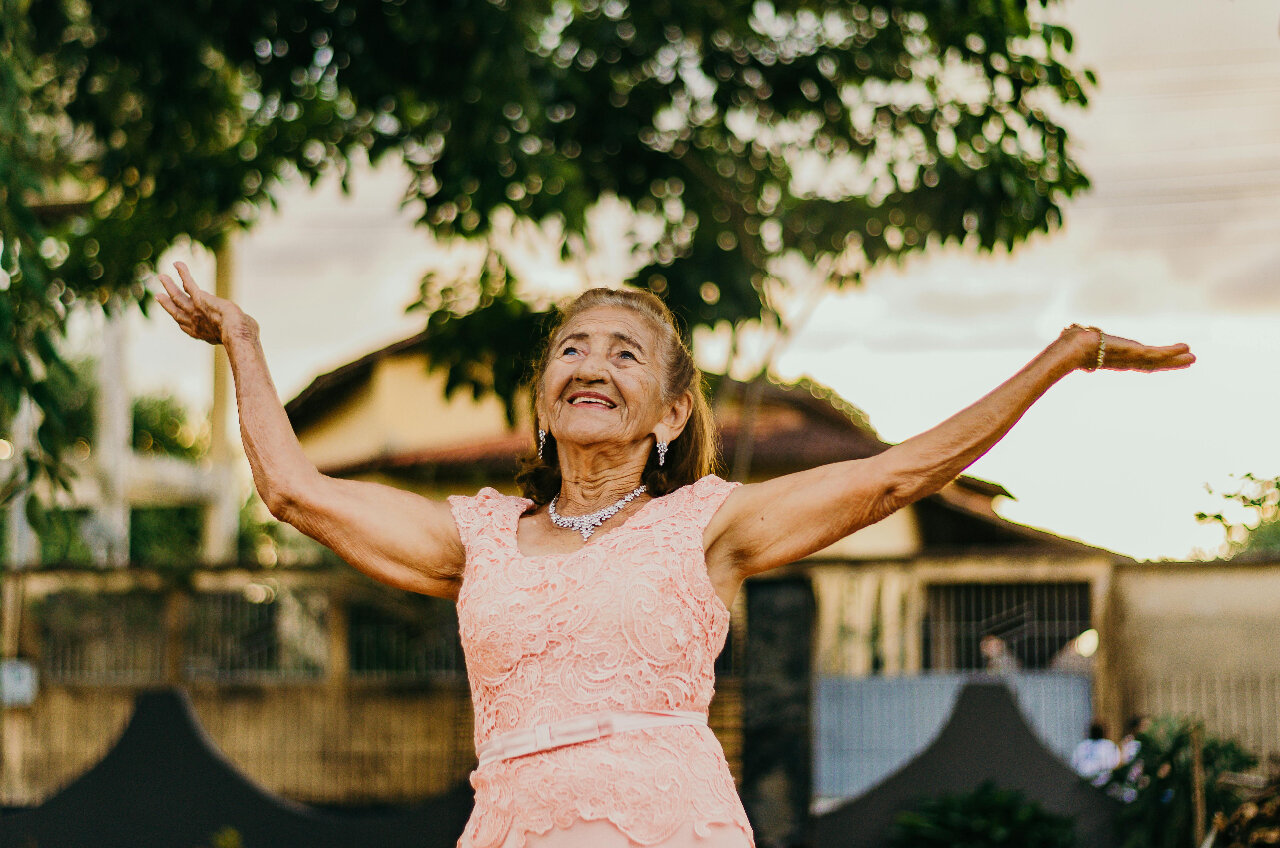
Photo by Italo Melo: https://www.pexels.com/photo/woman-raising-her-both-hands-1786244/
The Growing Senior PopulationCurrently, there are over 5.9 million seniors in Canada, and this number is expected to double in the next twenty years. Today’s retirement is far from passive; many retired individuals wonder how they ever had time to work! Seniors are actively involved as formal and informal volunteers, caregivers for their grandchildren, hobbyists, part-time employees, travelers, and more.
Appreciating Seniors During Seniors MonthSeniors Month in June is not just about formal government recognition through specific awards; it’s also about genuinely appreciating the seniors you personally know. Take the time to acknowledge their contributions to your life and your community.
Here are some ideas for celebrating a senior in your community
1. Nominate Seniors for Local AwardsIf you know a senior who is contributing to the fabric of your community, why not nominate them for an award? You can nominate them for the Ontario Senior of the Year Award, the Ontario Senior Achievement Award, the Ontario Medal for Good Citizenship, or any other local award. Recognizing their achievements publicly can be a wonderful way to honor their efforts.
2. Listen to Their Stories and Oral HistoryMany seniors are natural storytellers, with years of wisdom, knowledge, and experience to share. Take some time to listen to these incredible stories. Sharing a cup of tea with a senior in your community and engaging in a conversation filled with storytelling can be a rewarding experience for both parties.
3. Write a Simple Thank-You CardIn an age where most mail consists of bills and statements, a thoughtful thank-you card can brighten a senior’s day. Writing a heartfelt letter can make a senior feel celebrated and appreciated. It’s a simple yet powerful gesture that can have a lasting impact.
4. Take Your Appreciated Senior on an OutingPlan a fun outing to the theatre, a church service, a senior’s dance, a strawberry social, or even just out for a nice dinner together. Demonstrating your thankfulness and appreciation through shared experiences can create lasting memories and strengthen your bond.
5. Plan an Event in Honor of Your Senior Loved OneCelebrate milestones like a 90th birthday or a 60th wedding anniversary with an event honoring your senior loved one. Hosting a family reunion can also be a great way to recognize many loved ones at once. These events can be a wonderful opportunity to show your appreciation and celebrate their achievements.
6. Spend Quality Time TogetherSometimes, the simplest gestures are the most meaningful. Spending quality time together can demonstrate your care and appreciation. Whether it’s a walk in the park, a movie night, or a casual chat, the time you spend together can be a cherished gift.
The Impact of Seniors on Our CommunitySeniors contribute to our community in numerous ways beyond volunteering. They often serve as caregivers for their grandchildren, providing stability and support for younger generations. Many seniors are also involved in local clubs and organizations, sharing their hobbies and interests with others. Their participation in these activities helps to foster a sense of community and belonging.
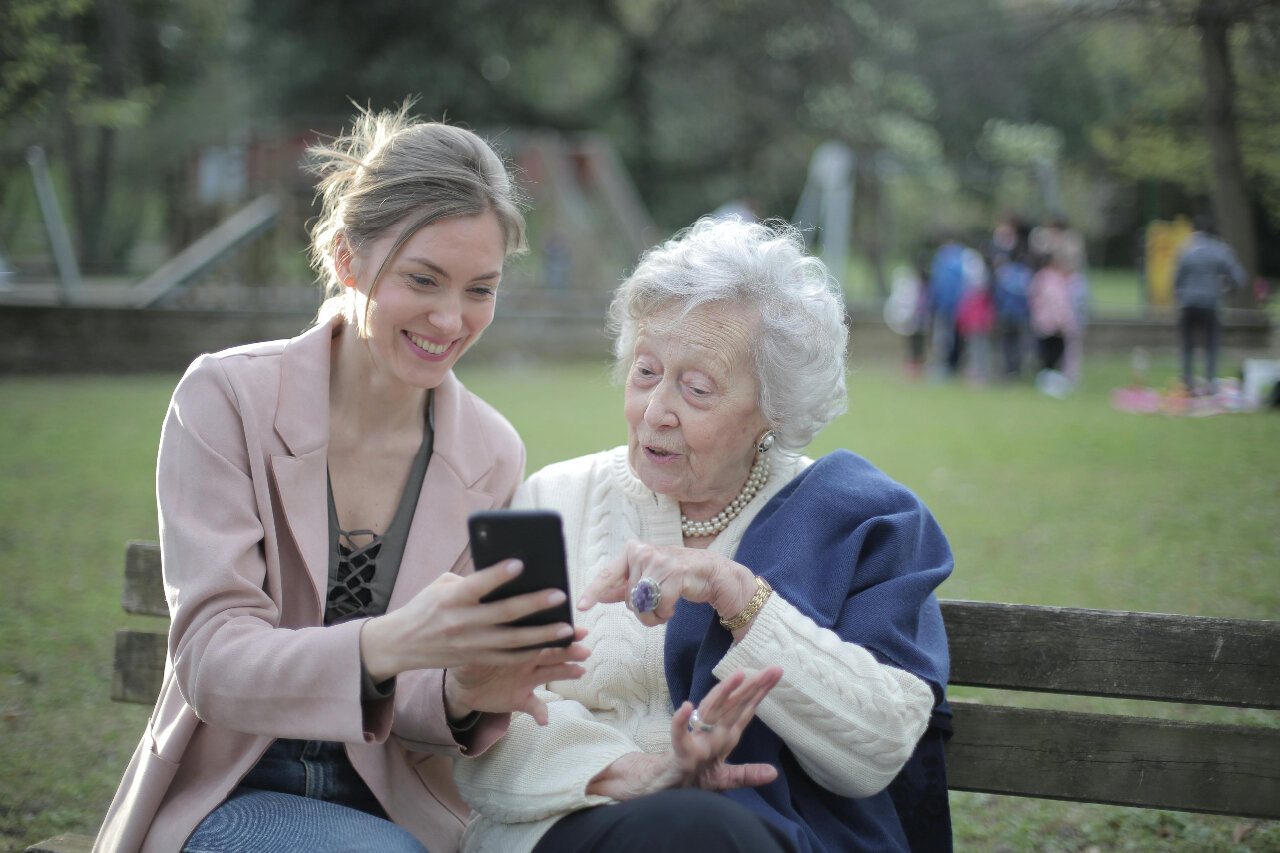
Photo by Andrea Piacquadio: https://www.pexels.com/photo/cheerful-senior-mother-and-adult-daughter-using-smartphone-together-3791664/
The Importance of Intergenerational RelationshipsBuilding strong intergenerational relationships is crucial for a healthy community. Seniors have a wealth of knowledge and experience that can benefit younger generations. By spending time with seniors, younger people can learn valuable life lessons and gain a deeper understanding of history and culture. These relationships also provide seniors with a sense of purpose and connection, reducing feelings of isolation and loneliness.
How Communities Can Support SeniorsCommunities can support seniors in various ways to ensure they feel valued and appreciated. Local governments and organizations can create programs and initiatives that cater to the needs and interests of seniors. This can include social events, educational workshops, and fitness classes designed specifically for older adults. Providing accessible transportation and healthcare services is also essential for supporting seniors.
The Role of Technology in Enhancing Seniors' LivesTechnology plays a significant role in enhancing the lives of seniors. Many older adults use technology to stay connected with family and friends, access information, and engage in hobbies. Communities can offer technology training programs to help seniors become more comfortable with using digital devices. This can empower them to stay connected and engaged, improving their overall quality of life.
Celebrating Seniors Year-RoundWhile Seniors Month is a special time to honor seniors, it’s important to celebrate and appreciate them year-round. Regularly acknowledging their contributions and spending time with them can make a significant difference in their lives. Simple gestures like a phone call, a visit, or a small gift can show seniors that they are valued and loved.
At Warm Embrace Elder Care, we believe in the power of community and the importance of intergenerational relationships. Let's make this Seniors Month memorable by showing our appreciation and support for the elders who have shaped our lives.
Contact us today to learn more about how you can get involved and make a difference in the lives of seniors. Together, we can create a warm and welcoming environment where every senior feels valued and celebrated. |
||
|
||
|
||
|
||
|

|
|
Nicole Jackson 1 June 8, 2026 |

|
|
Avery Hamilton 14 June 4, 2026 |

|
|
Chloe Hamilton 117 June 1, 2026 |

|
|
Lissette Mairena Wong 39 December 10, 2025 |