.png)
How does Dementia affect Personal Space?Wednesday, May 6, 2026
|
||
|
Have you ever been in line at the checkout and the guy behind you is getting too close….awkwardly close? How do you react? What is your body language like? What is your facial expression?
I’ll bet your expression is a cross between curiosity and suspicion. Your eyes are watching carefully; you’re on high alert. Your body language is likely standoffish and you’re tense; you’re ready to react or even defend yourself if necessary.
Is that normal? Perhaps it’s a bit stronger than necessary for a checkout lineup, but your natural instinct is to protect yourself. You interpreted the intrusion of your personal space as a possible threat, and you’re on high alert until the threat subsides.
This human instinct to protect yourself and your personal space is a normal human reaction, and it doesn’t disappear just because someone has dementia.
In fact, this instinct to protect oneself may become even stronger in the face of dementia.
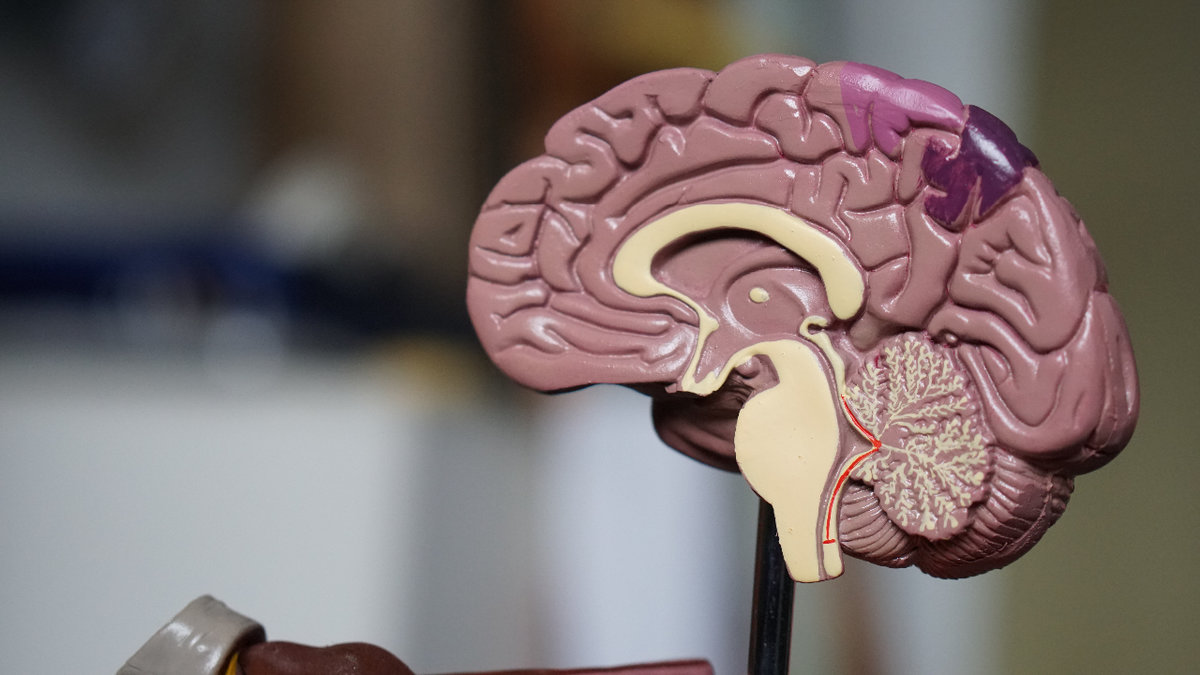
This self-protection instinct comes from the amygdala, a small area deep within your brain. The amygdala continues to send out survival instincts even when other portions of the brain are affected by dementia.
The part of the brain that houses reason and logic—the prefrontal cortex—is often first affected by dementia. It is this part of the brain that allows you to think through a situation and respond appropriately.
When the guy at the grocery store gets too close, your amygdala sends out a threat alert, but your prefrontal cortex uses logic to assess and notices that the store is crowded. You then realize that the guy moved into your personal space because he was bumped from behind. There is no threat after all, and your prefrontal cortex sends a message to the Amygdala that all is safe and secure.
For someone who’s prefrontal cortex is affected by dementia, their ability to assess the situation for danger diminishes. Their amygdala is still sending out the danger warning, but they do not have the ability to use logic or reason to understand the situation and reduce their sense of risk.
Think back to your initial reaction to the guy in the checkout line—your facial reaction and body language were not friendly or welcoming, were they? That’s because you were feeling at risk for just a second. Now think about someone with dementia who may have a concerned or suspicious expression on their face or their body language is reactive. Perhaps they are feeling threatened and they are on high alert.
That person with dementia may not be able to use logic or reason to reassure themselves that there is no threat. If someone is in their personal space, and they feel threatened, they will react exactly like you did—defensively. They will not be able to contextualize and say “oh, that person is wearing scrubs. It must be a doctor or a nurse who is in my personal space to treat me medically.”
They may not recognize a family member, friend, care provider, or fellow resident. If they don’t recognize the person who is entering their personal space, then that person may feel as strange as the guy in the checkout line. If so, the reaction—even to a family member or friend—will be the same defensive reaction as a stranger intruding on space.
What can you do?
When you’re interacting with someone who has dementia, be on the lookout for defensive body language. If you notice a defensive stance or a suspicious facial expression, recognize that the person with dementia may be feeling threatened or at risk and help them to feel reassured.
Be kind, and help them to contextualize.
Fill in the missing details that their brain may not be able to supply. Help them to recognize relationships or connections and do not enter their personal space until you are sure they welcome you.
A beloved family member with dementia may not recognize your face, but they will recognize how you make them feel. Focus on helping them to feel safe and reassured, and the defensive behaviour will melt away. |
||
|
||
|
||
|
||
|
Why Does Mom Keep Asking to Go Home?Wednesday, February 25, 2026
|
||
|
Do you wonder why your mother with Alzheimer’s disease keeps asking to go home? She constantly repeats, “I just want to go home. Take me home now!” But your mother is standing in the home she’s lived in for decades. She is already home.
What do you do? How should you respond? Why does your mom keep asking to go home?
3 Responses That Do NOT WorkFor starters, here is a list of what will not work when your parent with dementia continually asks to go home:
Why These Approaches FailAll three responses are factually correct—they point out evidence that your parent is already home. The problem is that “I want to go home” is not a factual request. Initially, it seems like a request to change locations. But when your parent is already at home and still asking to go home, it clearly isn’t about geography. They are not asking for logic or proof. When you respond with facts, you unintentionally create an argument where one person is right and the other wrong. This feels confrontational, and the person with dementia will double down on their position. Anxiety and frustration often increase when you present evidence and argue to the contrary.
The Real Meaning Behind “I Want to Go Home”When your parent with dementia says, “I want to go home,” it is actually an emotional request, not a factual one. An emotional need requires an emotional response. Each of the three ineffective approaches above fails because they try to use logic and reason to answer an emotional plea.
Emotional NeedsYour mom keeps asking to go home because she has an unmet need. She wants to go to the place where she always felt safe, purposeful, and in control. Alzheimer’s interrupts her ability to articulate what that need is, so she expresses it in the only way she knows: “I want to go home.” Instead of responding with facts, try to understand the emotional plea.
3 Most Common Emotional NeedsWhen your parent with dementia keeps asking to go home, they are likely expressing an emotional need from one of these categories:
Why Logic Doesn’t WorkYou can see why a logical response like, “Look at the number on the front door,” does not match an emotional need for security or control. It’s a complete mismatch between the underlying need and the response.
Becoming an Emotional Detective“I want to go home” is an emotional plea—but also a mystery plea. The person with dementia is communicating as clearly as they can. They won’t say, “I want to go home because I’m bored and need something meaningful to do.” Instead, you’ll hear, “I want to go home. Take me home now.” It’s your job to be the detective and uncover the need.
Being a detective means asking questions and looking for clues. Aim to get your parent talking as much as possible. Ask about home:
The goal is to have your parent talk about home in a relaxed, non-confrontational way. They aren’t being tested or asked to defend their understanding. They are sharing thoughts and feelings, which often reveal clues about their current needs.
Why This WorksWhen someone with dementia feels safe and heard, their anxiety decreases. They may even look around and recognize their environment. By aligning with their emotional need, you avoid confrontation and create connection.
When Professional Caregivers Can HelpThese conversations can be challenging for family members. It’s natural to feel frustrated or exhausted when your loved one repeats the same request over and over. Professional caregivers are often better positioned to handle these situations calmly and compassionately. They are trained to recognize emotional cues, redirect conversations, and provide reassurance without confrontation.
At Warm Embrace Elder Care, our caregivers specialize in dementia care. They know how to respond to emotional needs with patience and empathy, creating a sense of security and comfort for your loved one. Sometimes, having a professional step in can ease tension for everyone and restore peace at home.
When your parent says, “I want to go home,” remember—it’s not about geography. It’s about emotion. By responding with empathy instead of logic, you can meet their true needs and bring them comfort.
Learn more about our we can help your loved one with dementia by contacting us today! |
||
|
||
|
||
|
||
|

|
|
Nicole Jackson 1 June 8, 2026 |

|
|
Avery Hamilton 14 June 4, 2026 |

|
|
Chloe Hamilton 117 June 1, 2026 |

|
|
Lissette Mairena Wong 39 December 10, 2025 |